

The Deep’s commitment to sustainability is so much more than a drop in the ocean
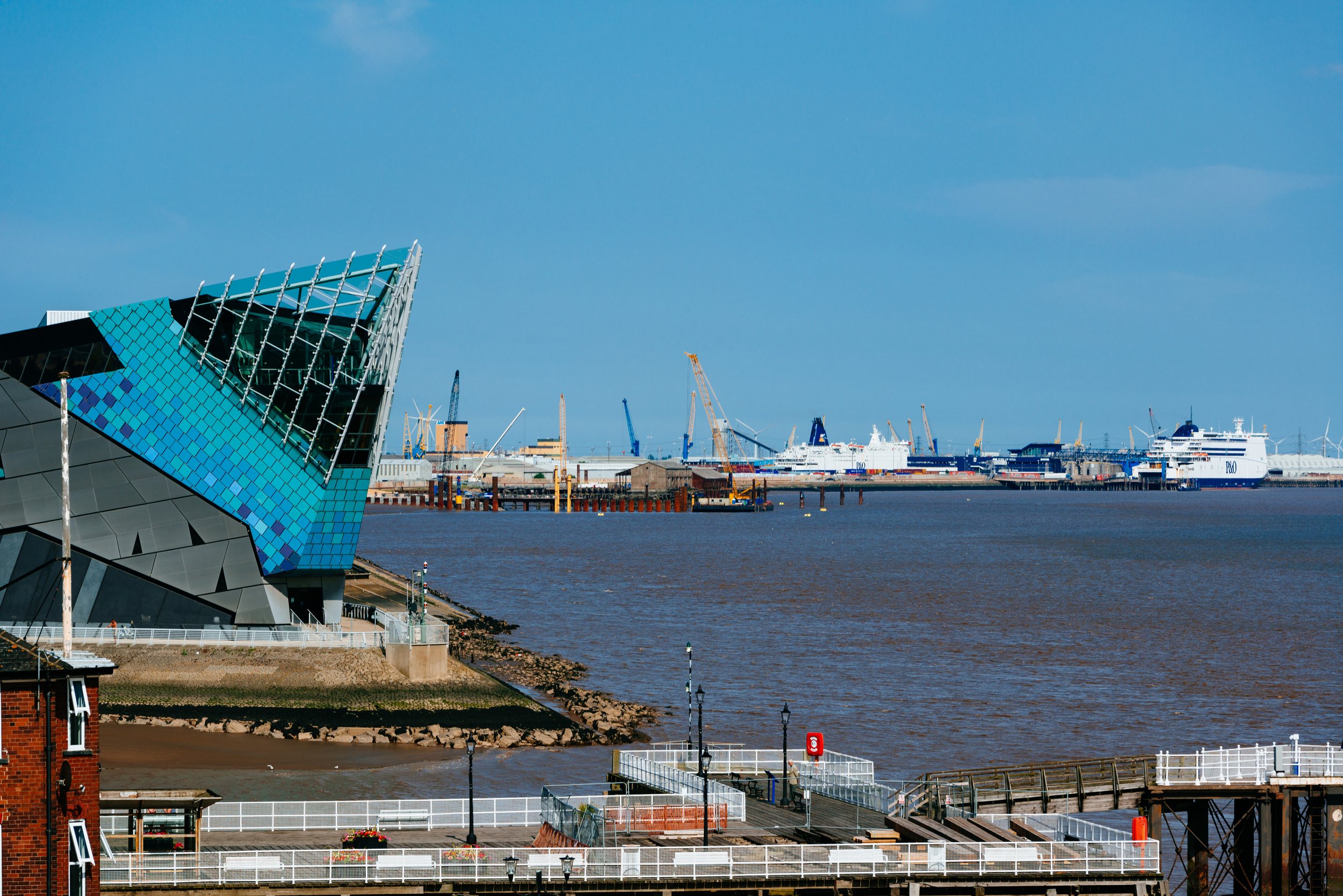
Since opening in 2002, Hull’s iconic aquarium, The Deep, has welcomed more than 10 million visitors, supporting the city’s regeneration and the region’s economic growth.
In May 2026, The Deep was ranked as the UK’s best aquarium by independent consumer champion Which?, receiving the highest score for wildlife experience and customer service.
The accolade comes ahead of a landmark year for The Deep, as it prepares to celebrate its 25th birthday in 2027.
We sat down with Oh Yes! member The Deep’s CEO, Katy Duke, to hear about the organisation’s wide-reaching approach to sustainability.
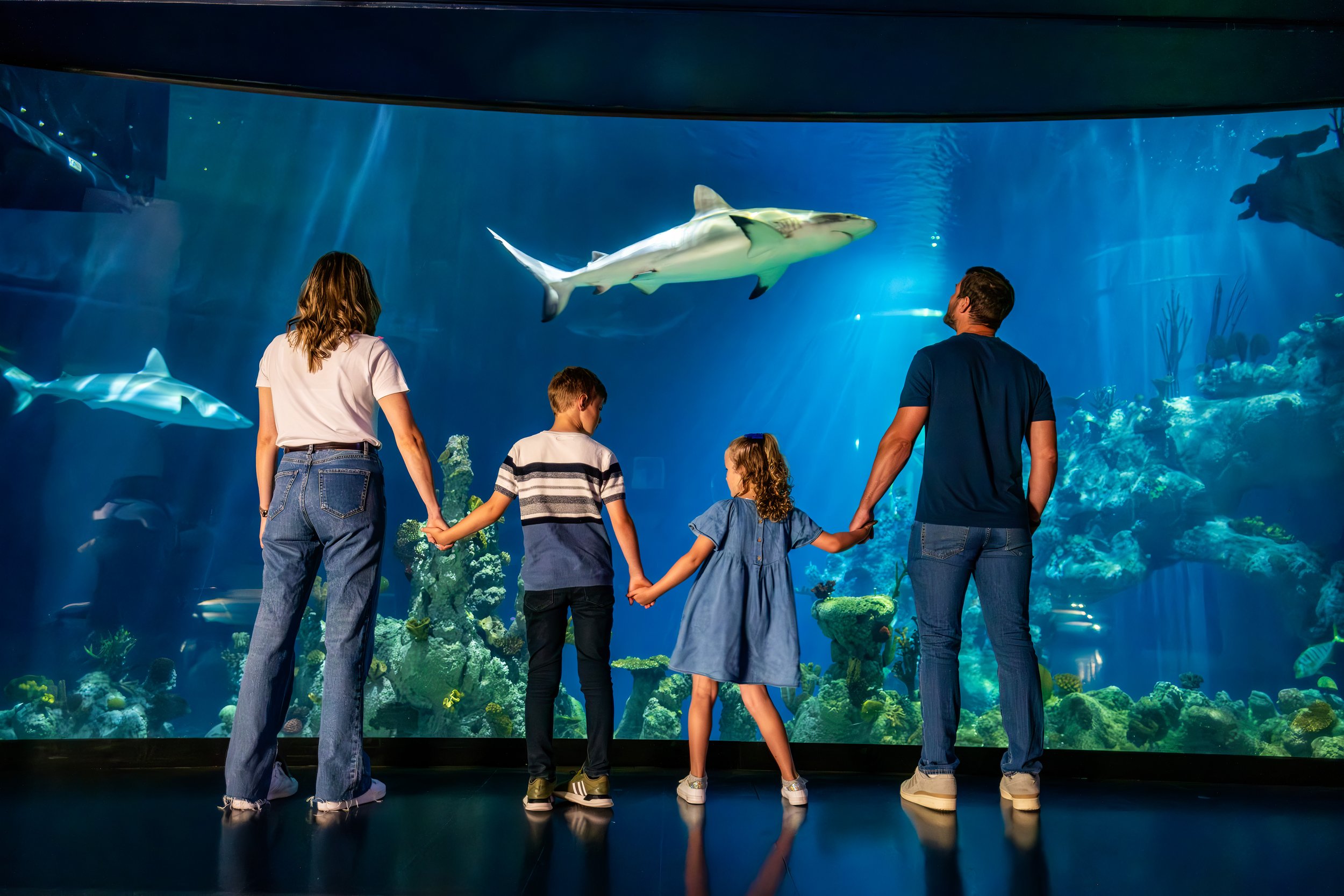
The Deep provides £20m of economic benefits to Hull every year, welcoming 450,000 visitors a year.
Trusted, credible and authentic
“We’ve worked hard over almost 25 years to make sure we’re trusted, that we’re credible, and also authentic in the work we do,” Katy Duke says.
For almost a quarter of a century, The Deep has made a significant social and economic contribution to Hull and wider region. Its education team has provided subsidised lessons to more than 600,000 students, on topics ranging from conservation and biodiversity to sustainability.
The Deep provides £20m of economic benefits to Hull every year, welcoming 450,000 visitors a year and attracting people to the city from far and wide.
Underpinning The Deep’s approach is a deep-rooted commitment to sustainability and environmental wellbeing. It’s about leading by example, and inspiring both the current and future generation to play their part.
Underpinning The Deep’s approach is a deep-rooted commitment to sustainability and environmental wellbeing.
Keep it simple, keep it real
“The small wins are always better than no wins,” Katy continues.
“Like all organisations, we have our challenges and constraints. It’s about keeping it simple, keeping it real, and focusing on the things we can impact, which make a difference.”
Those ‘small’ wins have been significant. A thermal imaging survey is carried out every year on The Deep to monitor and improve energy efficiency. Fine tuning of the aquarium’s Building Management System (BMS) ensures temperatures are optimised.
LED and motion sensor lighting has contributed to energy reduction, and, when The Deep needed new boilers, they upgraded to more energy efficient models.
The Deep has an electric van which its teams use for outreach work, for deliveries and picking up supplies, and solar installations on the roof of the neighbouring Deep Business Centre also provides clean power for the aquarium.
Like all businesses, energy is key, and remains a significant cost challenge. The Deep’s investment in renewable energy helps relieve some of that burden.
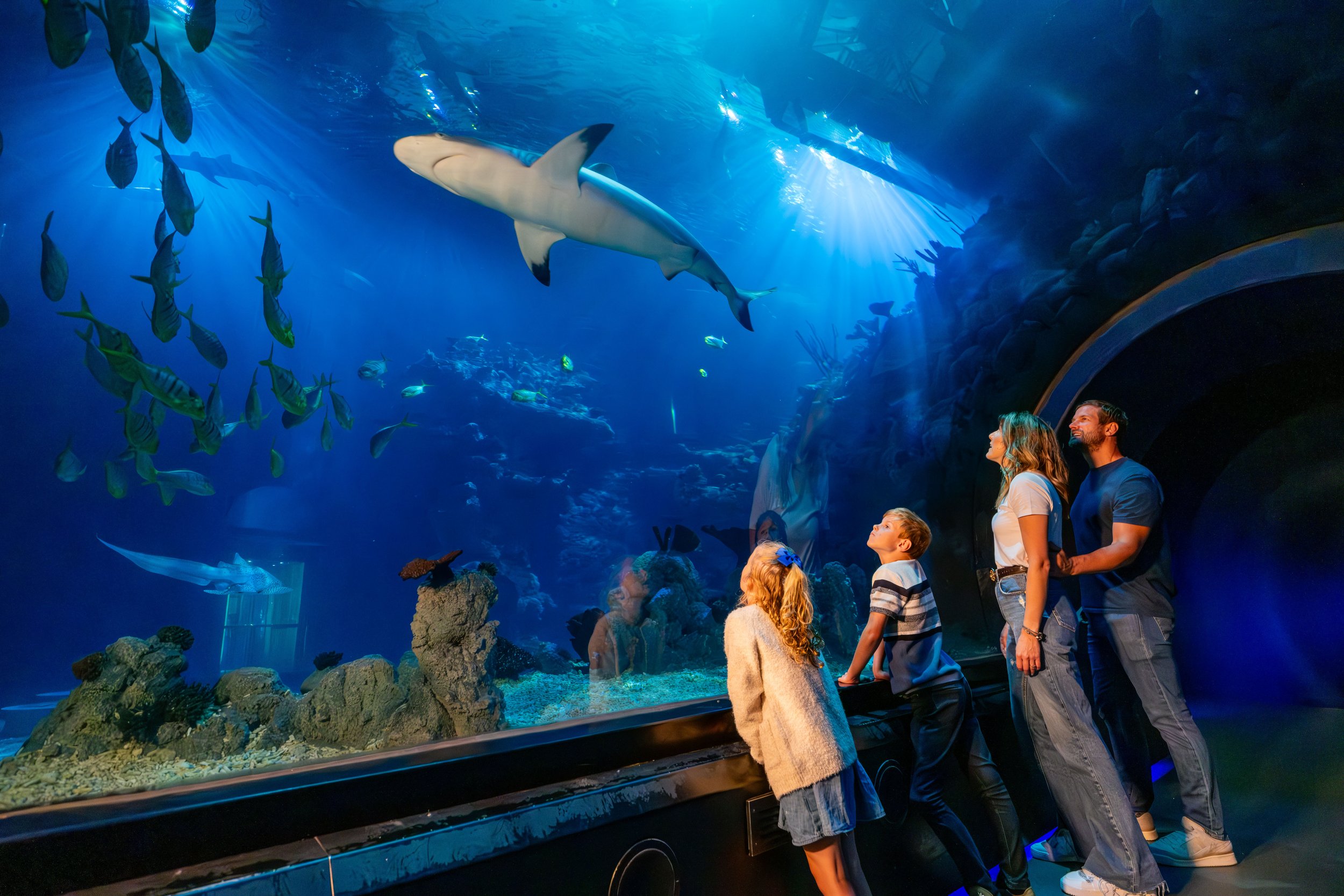
Since opening in 2002, Hull’s iconic aquarium, The Deep, has welcomed more than 10 million visitors.
A deep dive into sustainability
Reusability forms an integral part of The Deep’s sustainability strategy.
The Deep’s #OneLess campaign focuses on cutting out single-use plastics, including bottles.
When The Deep needed new chairs in its café, it made its existing furniture available for charities and organisations to collect. Counters in the gift shop, and cubicles in toilets, are made from recycled materials.
An innovative partnership with Hull-based upcycling business ReWorked sees The Deep send empty builders bags for salt, used in the water in its tanks, to be turned into shopping bags.
More uniquely, when drysuits worn by The Deep’s team of divers come to the end of their life, ReWorked use the material to create new reusable products which are then available to purchase in the gift shop.
“We focus a lot on procurement and purchasing, and where we source our products from,” Katy explained.
“We support local food suppliers and stock organic fairtrade products where we can, and the packaging used for all of our in-house produce is fully compostable.”
The Deep’s education team has provided subsidised lessons to more than 600,000 students, on topics ranging from conservation and biodiversity to sustainability.
‘You can’t furlough fish!’
When your aquarium is home to more than 5,000 marine animals, it creates a particular challenge, as Katy explains.
“The biggest challenge we face is the energy consumption our life support systems require. Those systems control the temperatures and conditions in each our habitats, and they’re critical to the animals’ welfare.
“Those life support systems have to run 24/7, 365 days a year. When the pandemic arrived in 2020, lots of businesses were forced to close down their buildings and furlough their staff. For us, we couldn’t do that. You can’t furlough fish!
“That’s why energy consumption is such a big challenge for us. Our life support systems are non-negotiable, and, as you can imagine, they’re very expensive.”
The Deep tries to plan ahead as much as possible, predicting and monitoring visitor patterns so as not to over-cater in its café, and managing the building’s systems to be as efficient as possible.
It is these behaviours, around learning and continuous improvement, that bring with them sustainable progress.
“We take our environmental responsibility seriously.”
Looking to the future
Environmental wellbeing is everyone’s responsibility and Katy says Hull’s young people are picking up the baton.
“Young people are very aware of the things they can do to make a difference. They’re the most switched-on generation, it is woven into everything they do,” Katy said.
“They then take those behaviours and actions back to their families. How often do we hear about children telling their parents off for not recycling something, or putting something into the wrong bin!?
“We take our environmental responsibility seriously. We have qualified teachers delivering 20 different workshops to young people. We tailor our sessions to the curriculum, and schools trust us to deliver those workshops.”
It is that trust, built over almost 25 years, that makes The Deep the organisation it is today.
As it prepares to celebrate its quarter-centenary year in 2027, one of Hull’s best-known landmarks will continue to shape the city’s sustainable future for years to come.