

Cultivating change: Bishop Burton College setting the pace for sustainable land-based education
As one of the UK’s leading land-based and agricultural colleges, Bishop Burton College understands the importance of people and our planet.
The College, and associated University Centre, offers a variety of courses, from agriculture and environmental management, to business and horticulture.
In its recently-published Sustainability Strategy 2025-2030, Bishop Burton laid out an ambitious roadmap to tackle sustainability issues with a key focus on the environment.
The Strategy spans five key areas – curriculum, campus, people, farm and community – which are critically important to the College as a centre of excellence for learning.
We visited the Oh Yes! member and met Emily Luby, Bishop Burton’s Sustainability Officer, to find out more.
Sustainable curriculum
“Sustainability is embedded right across our curriculum,” Emily explained.
“Take the farmers of tomorrow, as an example – they are going to need to know how to deal with changing climates. We look at areas like improving soil quality, and how that reduces the risk of soil erosion in flash foods.”
Bishop Burton has broadened its approach to teaching practices around sustainability. It is more than simply climate action. It is climate resilience and adaptation.
The college has pledged to embed sustainability into 100 per cent of its curriculum. Coupled with that is a commitment to equipping students with the skills and experience they need to thrive in a more sustainable world.
“The land-based element is really important. We teach using sustainable tools and technologies, including the use of artificial intelligence to analyse soil for targeted seed and fertiliser application,” Emily said.
“We have a responsibility to prepare our students for the future world of work, and to meet the needs of local employers.”
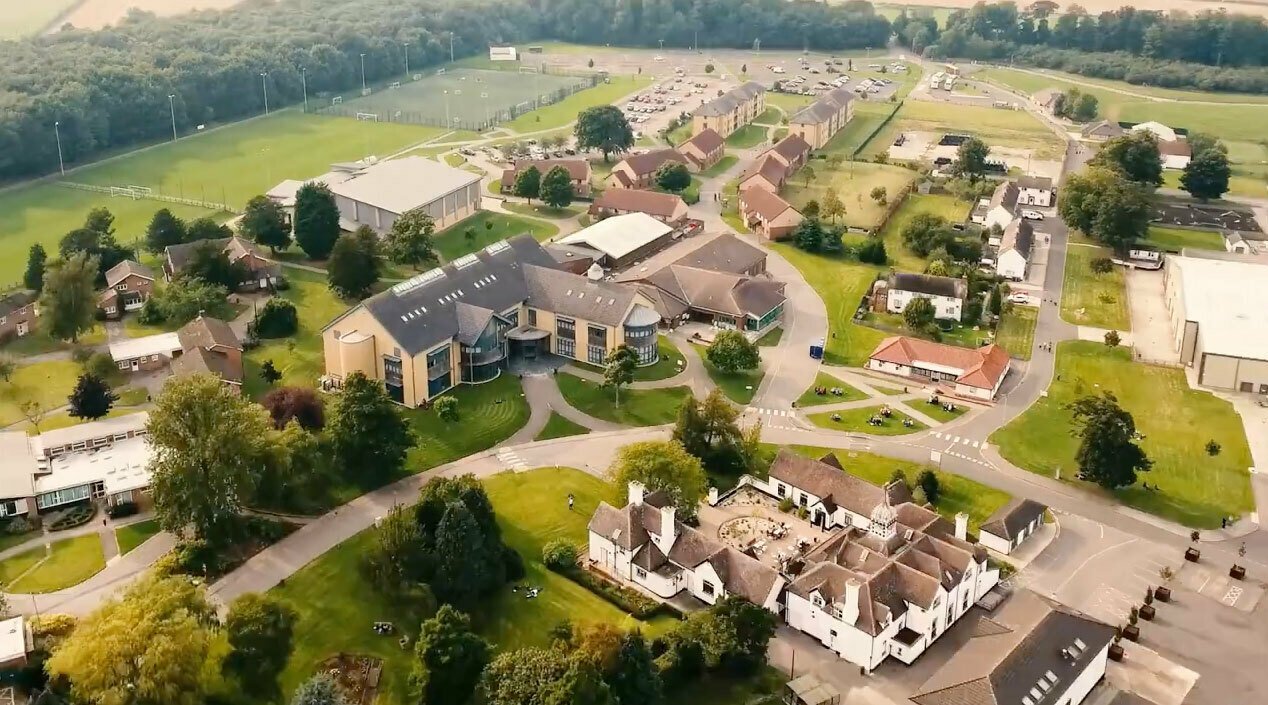
Bishop Burton has set an ambitious target to achieve net zero for scope one and two emissions – excluding livestock and crops – by 2030.
Sustainable campus
Since the 2020/21 academic year, Bishop Burton College has reduced its Scope 1 & 2 carbon footprint by an impressive 26 per cent.
The college is delivering an effective campus programme focused on decarbonisation, energy efficiency, sustainable transport and biodiversity.
Upgrades include the installation of air source heat pumps, improved building insulation, LED lighting and double glazing – with the potential to save 460 tonnes of carbon every year.
When the programme is completed, 12 buildings across the estate will be fully electric. Bishop Burton is also capturing solar energy to power its grounds maintenance equipment, including robotic mowers, chainsaws, leaf blowers and trimmers.
The college has reduced waste by 19 per cent in the past year, and the adoption of intelligent water management platform Ozygen could save up to 1.5 million litres of water annually.
“As well as being good for the planet, our campus programme will be good for our business,” Emily said.
“Reducing our energy consumption and improving the efficiency of our estate will save us significant amounts of money, and increasing recycling rates and reducing waste will cut costs too. It will benefit us in so many different ways.”
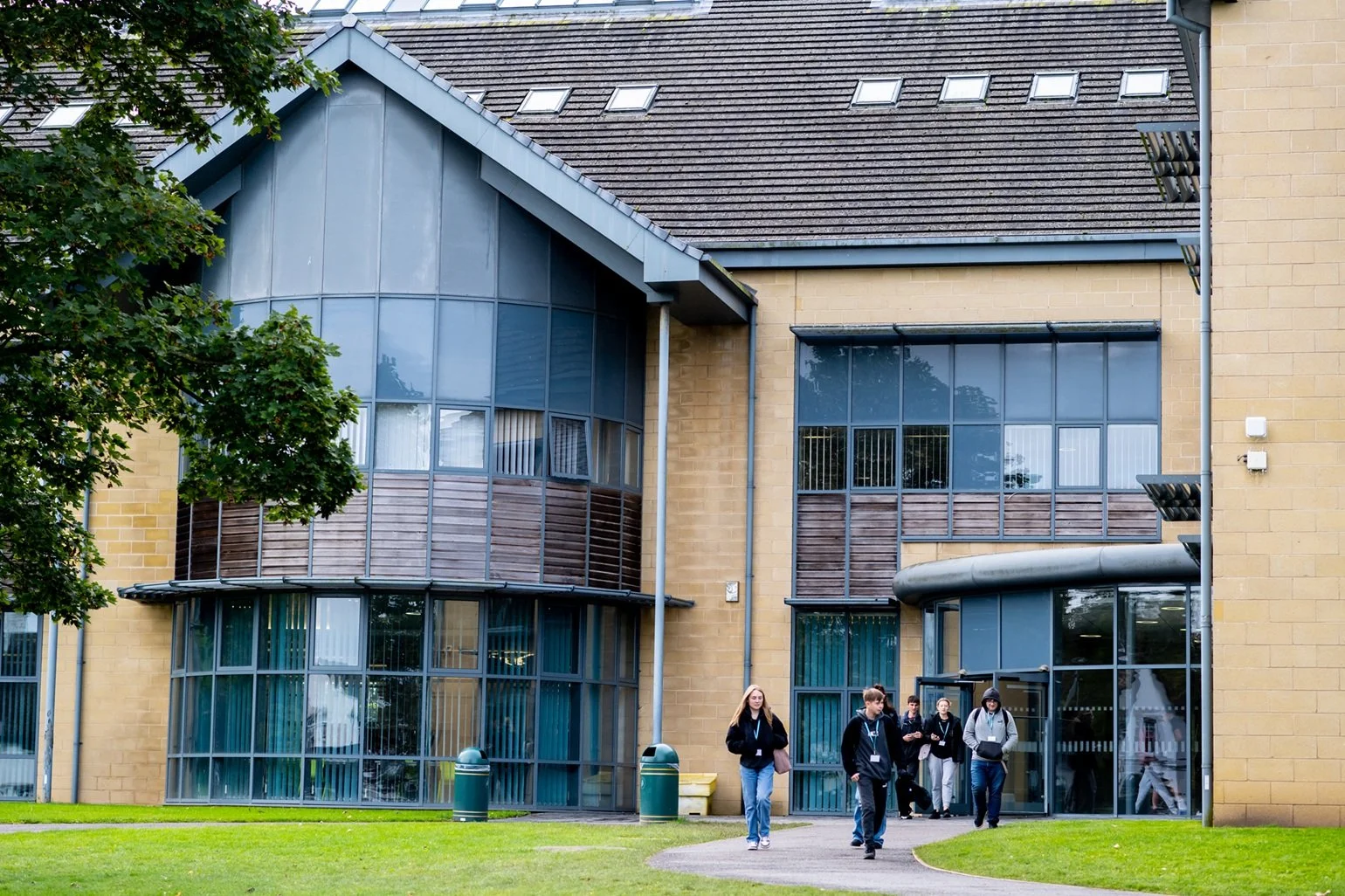
Since the 2020/21 academic year, Bishop Burton College has reduced its Scope 1 & 2 carbon footprint by an impressive 26 per cent.
Sustainable people
To drive sustained, meaningful change, staff engagement is key.
Bishop Burton College has mandatory sustainability modules embedded into induction training for all staff.
Beyond that, the college has initiated a Carbon Literacy Training Programme, helping staff understand the impact they can have in their individual roles, and encouraging sustainability to be front-of-mind in everything they do.
Speaking during the launch of the College’s Sustainability Strategy, Principal and Chief Executive Danny Metters said: “Through this strategy, we aim to lead by example – reducing our own carbon footprint, embedding green skills in our curriculum and inspiring students, staff and partners to take meaningful action.”
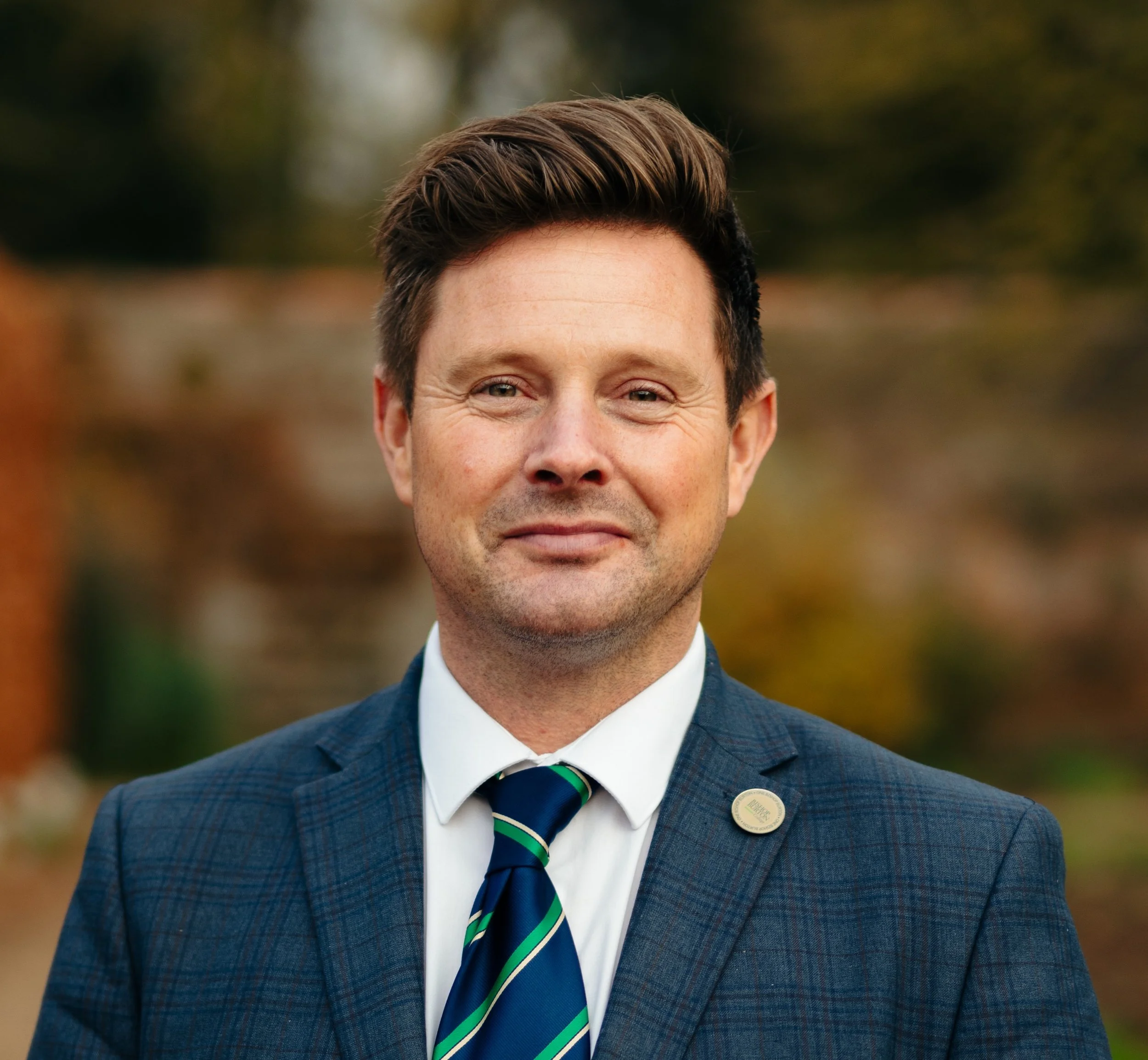
Bishop Burton College’s Principal and Chief Executive, Danny Metters
Sustainable farm
Integral to the College’s teaching is a commercial, mixed-use farm which spans 300 hectares, including 120 hectares of arable land, 85 cows, 300 sheep and 300 pigs.
The Sustainability Strategy includes a pledge to improve animal performance and reduce the carbon output from livestock, alongside improving soil health and reducing the use of fertilisers, water and fossil fuels.
Bishop Burton is already using liquid fertilisers to increase efficiency, as well as growing its own livestock feed and planting winter cover crops to protect soil from erosion.
Since 2022, the College has seen a 30 per cent reduction in fuel usage across the farm, and is adopting regenerative farming technologies to educate students on the sustainable farm of the future.

Bishop Burton College was ‘Highly Commended’ at the Green Gown Awards 2025 for Creating Impact. Pictured is the College’s Sustainability Officer, Emily Luby at the awards ceremony.
Sustainable community
As a leader in land-based and agricultural education, Bishop Burton has forged partnerships with local employers, industry groups and policy makers to share best practices, support innovation and influence positive change at a regional and national level.
Bishop Burton College is currently assessed as operating at the “Established” level of the sector-wide Climate Action Roadmap. With this strategy, it is aiming to move to the “Leading” category within the next five years.
Danny said: “As a land-based college, we recognise both our responsibility and our unique opportunity to influence the future of sustainability in education, agriculture and the wider community.”
Bishop Burton was recently highly commended at the Green Gown Awards for its Greener Round Project – focused on moving fossil fuel-powered tools to electric, charged through renewable energy.
That project has saved the College an estimated £33,000 per year, cutting carbon emissions by 10 tonnes.
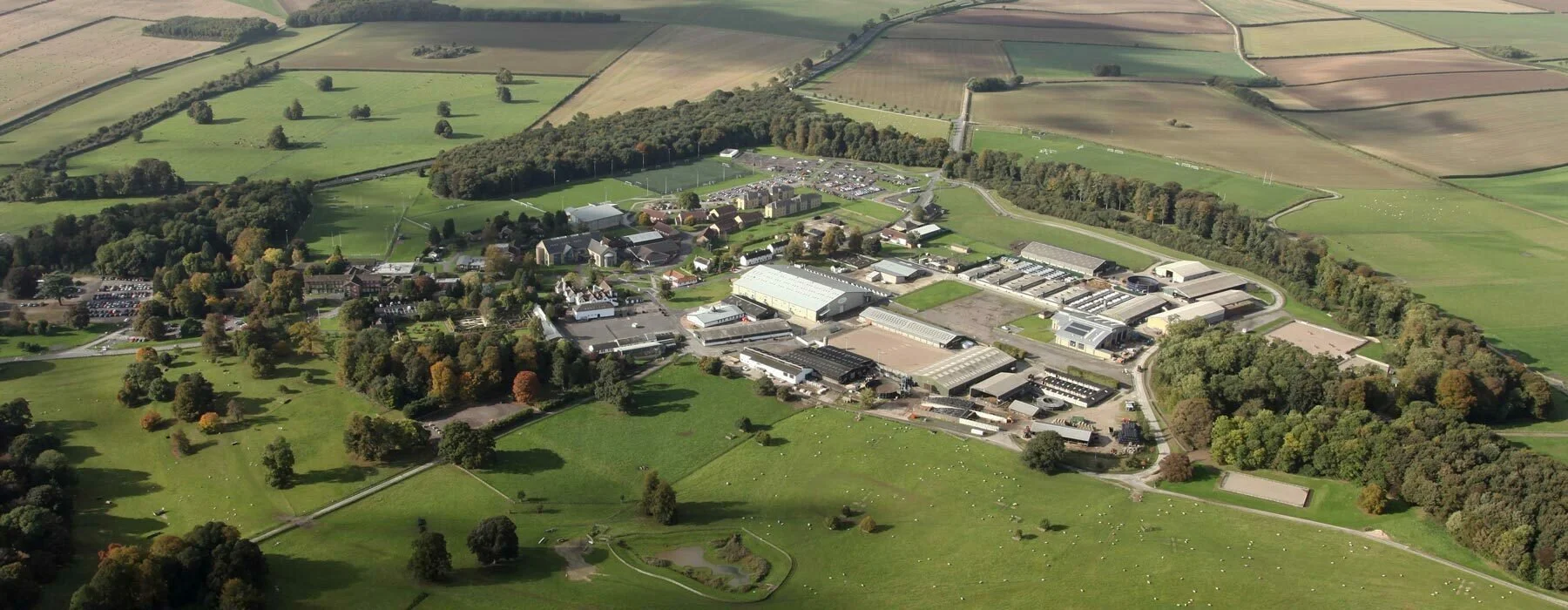
Since 2022, Bishop Burton College has seen a 30 per cent reduction in fuel usage across its farm.
Setting the standard
Bishop Burton has set an ambitious target to achieve net zero for scope one and two emissions – excluding livestock and crops – by 2030.
The target for scope one and two across all operations is 2035, with a final net zero scope three target in place for 2040.
“This is a pivotal moment,” said Danny. “We are not starting from scratch – there is already fantastic work underway across our college. But this strategy gives us the clarity and direction to go further and faster.
“It ensures that sustainability is embedded not just in our operations, but in our identity.”
· You can read more about Bishop Burton’s Sustainability Strategy 2025-2030 online at www.bishopburton.ac.uk/news/bishop-burton-college-launches-ambitious-sustainability-strategy.